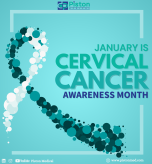
Cervical cancer remains one of the most preventable forms of cancer, yet it continues to affect thousands of women each year, particularly in low- and middle-income countries. The good news is that with the right information, timely screening, and preventive measures, cervical cancer can largely be avoided.
This Cervical Cancer Awareness Month, it is important to understand what cervical cancer is, how it develops, and most importantly, how it can be prevented.
Understanding Cervical Cancer
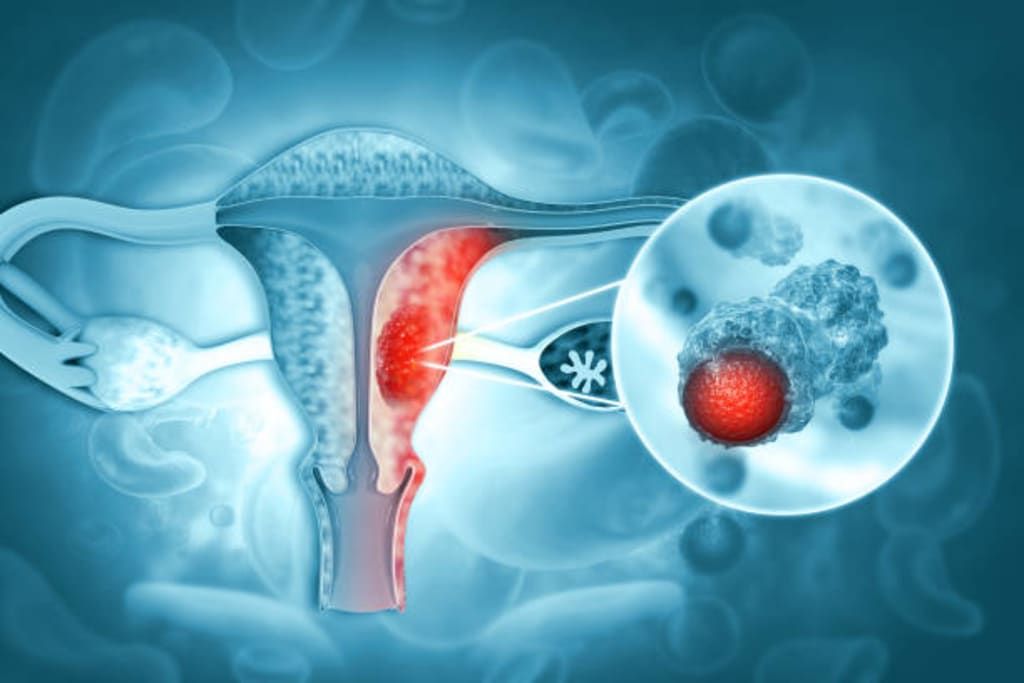
Cervical cancer develops in the cells of the cervix — the lower part of the uterus that connects to the vagina. In most cases, it is caused by persistent infection with certain types of Human Papillomavirus (HPV), a common virus transmitted through sexual contact.
While many HPV infections clear on their own, long-term infection with high-risk HPV types can lead to abnormal cell changes that may progress to cervical cancer if left untreated.
Key Ways to Prevent Cervical Cancer
1. Get Vaccinated Against HPV
HPV vaccination is one of the most effective ways to prevent cervical cancer. The vaccine protects against the high-risk HPV types responsible for the majority of cervical cancer cases.
Recommended for girls and boys before they become sexually active
Can still be beneficial for young adults who have not yet been vaccinated
Proven to be safe and highly effective
Widespread HPV vaccination significantly reduces the risk of cervical cancer later in life.
2. Go for Regular Cervical Screening
Regular screening helps detect precancerous changes early long before they turn into cancer. Screening methods include:
Pap smear (Pap test): Detects abnormal cervical cells
HPV testing: Identifies high-risk HPV infections
Health experts recommend that women begin cervical screening in early adulthood and continue at intervals advised by healthcare providers.
Early detection saves lives.
3. Practice Safe Sexual Health
Because HPV is sexually transmitted, practicing safe sexual behaviors can lower the risk of infection:
Use condoms consistently and correctly
Limit the number of sexual partners
Get regular sexual health check-ups
While condoms do not offer 100% protection against HPV, they significantly reduce the risk of transmission.
4. Avoid Smoking
Smoking weakens the immune system and makes it harder for the body to clear HPV infections. Women who smoke are at a higher risk of developing cervical cancer compared to non-smokers.
Quitting smoking improves overall health and reduces cancer risk.
5. Strengthen Access to Quality Healthcare
Prevention also depends on access to reliable healthcare services, accurate diagnostics, and quality medical products. Strong healthcare systems enable:
Timely screening and diagnosis
Effective follow-up and treatment
Better health outcomes for women
Collaboration between healthcare providers, policymakers, and medical suppliers is essential in the fight against cervical cancer.
The Role of Awareness and Education
Awareness empowers women to take charge of their health. Community education, workplace wellness programs, and public health campaigns play a vital role in encouraging screening, vaccination, and early care-seeking behavior.
By talking openly about cervical cancer, we reduce stigma and increase prevention.
A Shared Responsibility
Preventing cervical cancer is not just a women’s issue it is a shared responsibility involving families, communities, healthcare professionals, and institutions. When prevention is prioritized, lives are saved.
At Piston Medical, we support healthcare solutions that strengthen prevention, early detection, and patient care, contributing to healthier communities.
Final Message
Cervical cancer is preventable. With vaccination, regular screening, healthy lifestyle choices, and access to quality healthcare, we can significantly reduce its impact.
Prevention starts with awareness. Screening saves lives.
“Cervical cancer is preventable and treatable when women come early.”
Medical doctor